
MEII’s small business lending took many forms, from a woman-owned hotel in Bethlehem that was able to expand and source goods and services from more than 30 local suppliers, to a family- owned woodworking business that prides itself on local craftsmanship.
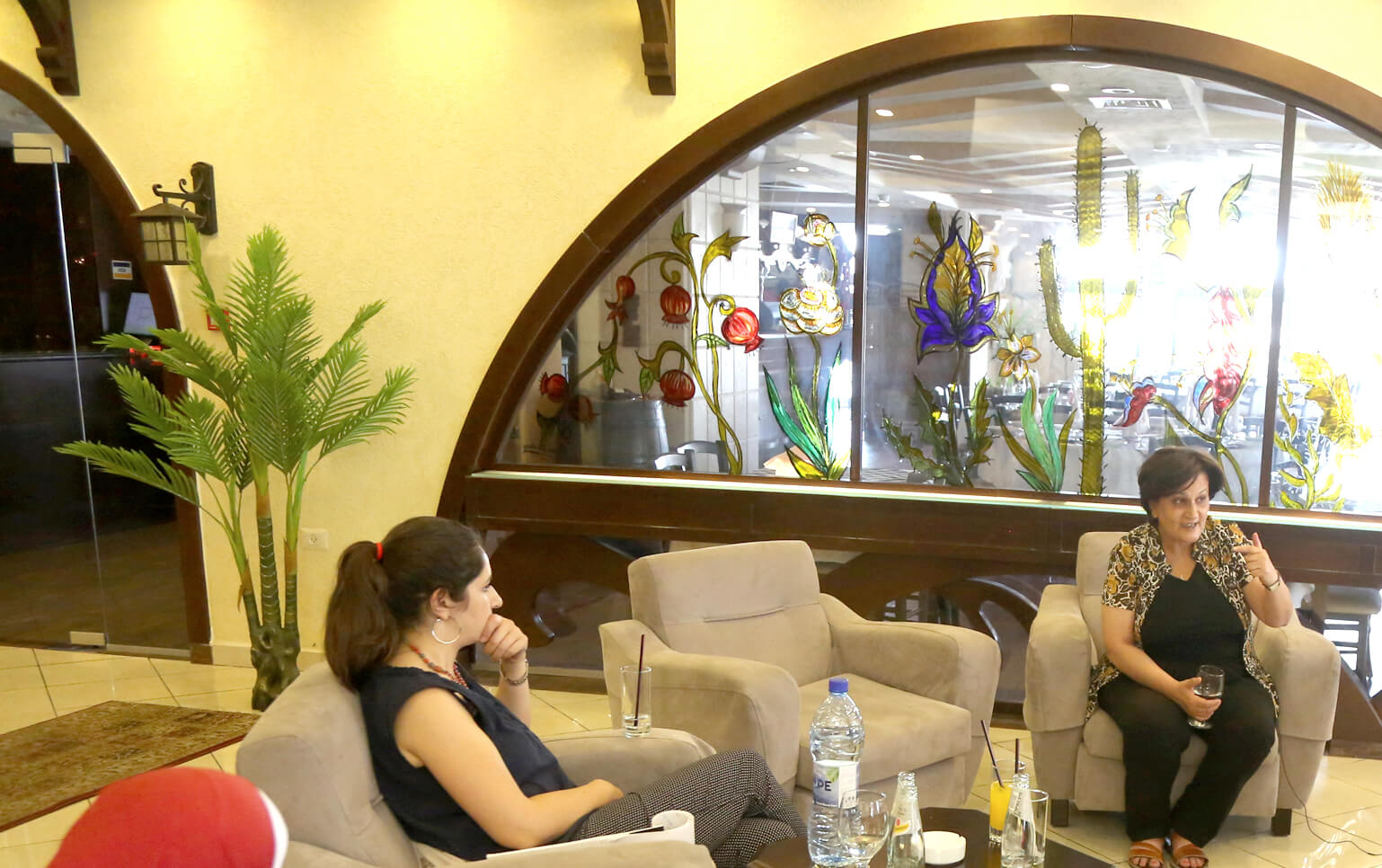
One of the great benefits of the Middle East Investment Initiative (MEII), was its impact on the growth of the formal Small- and Medium-Sized Enterprises (SME) sector. Most businesses in the region are informal SMEs that are not registered and unable to pay taxes.
MEII introduced cash flow-based lending to local borrowers so they could better assess risks associated with new loans. The MEII loan guaranty helped borrowers overcome a requirement that made it impossible for small businesses to secure a loan. As a result, 25 percent of SME loans were given to first time borrowers.
In the West Bank city of Jericho, the Siraj Fund enabled a small date farm to expand substantially. Nakheel, Palestine used the additional funding to invest in more advanced processing and refrigeration technologies and adopt international standards, distinguishing the region as a key supplier of this beloved product.
Nakheel’s focus on quality and high standards enabled local farmers to charge more for their product.
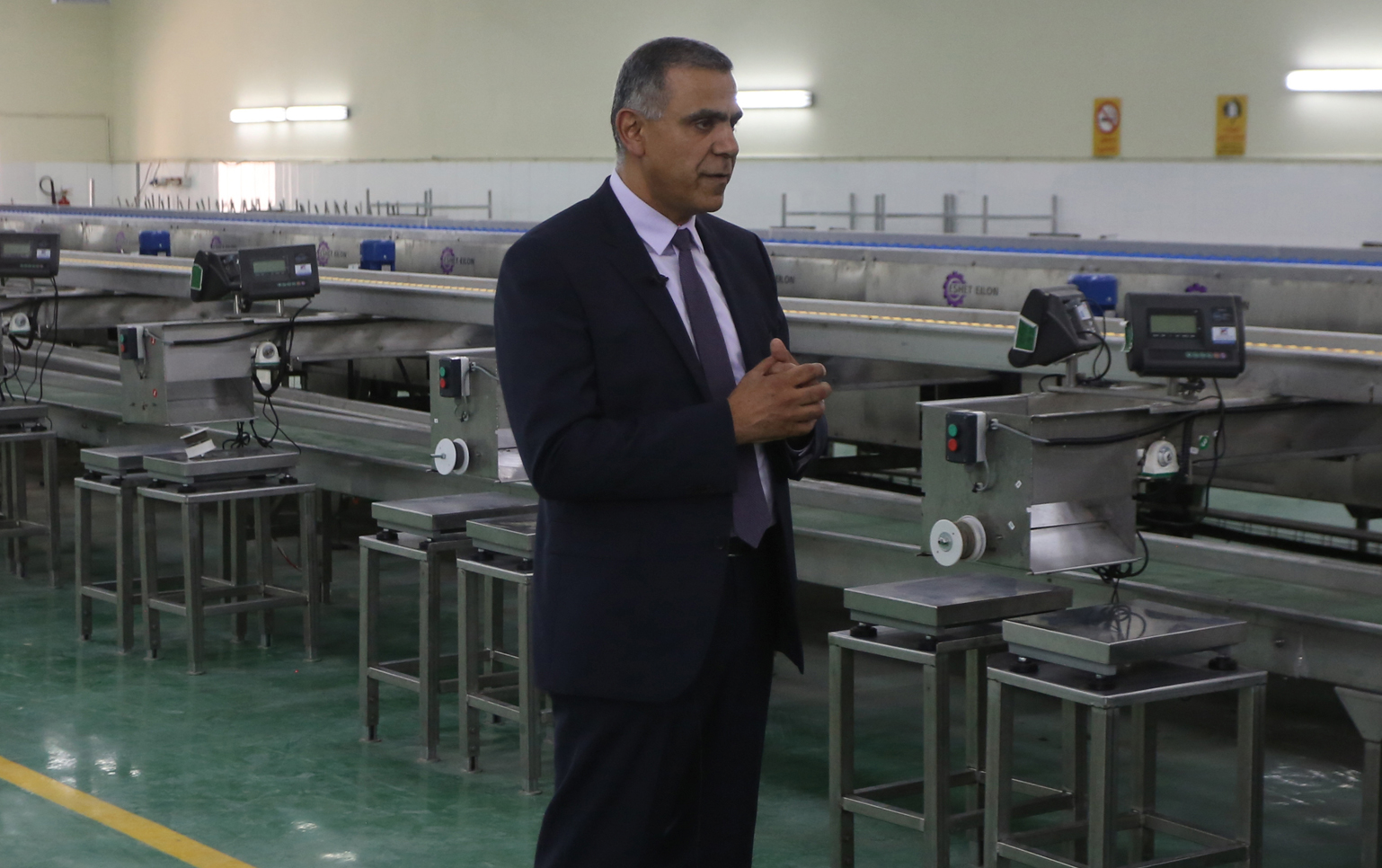
“This investment has helped us expand to sell our product around the world and create jobs for hundreds of people in the West Bank.”
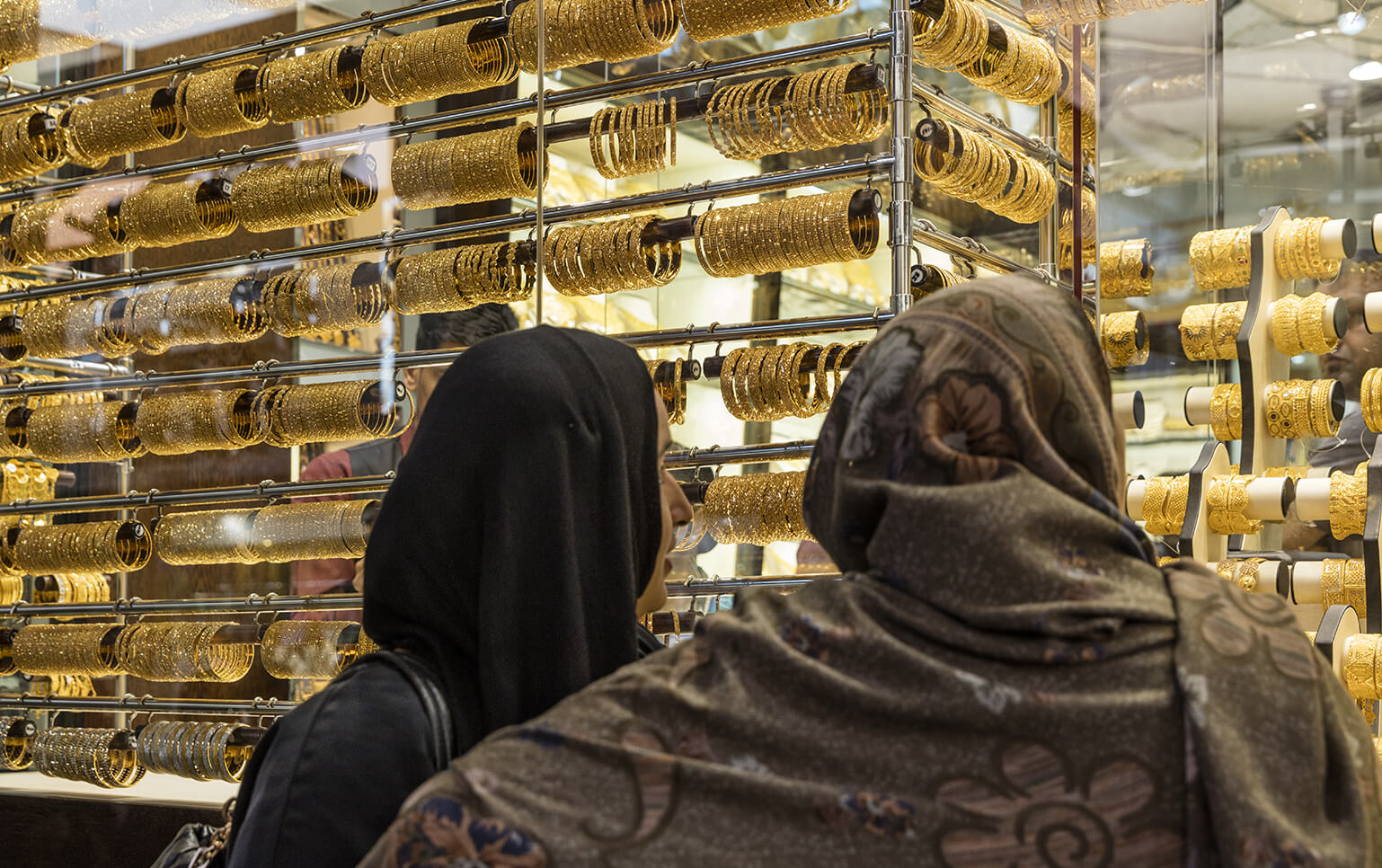
Other impacts of OPIC investment were more subtle. The Siraj Fund often supported investments which demonstrated that women could be a large customer segment. The National Bank (TNB), the fastest-growing bank in the Middle East, used financing from Siraj to create a product to help women benefit from a local custom in which they are given gold at birthdays and weddings. This gold often becomes a key asset for women. TNB created a product that enabled women entrepreneurs to borrow against their gold. Between 2015 and 2017, the product grew to $42 million and spawned a host of other products that support women.
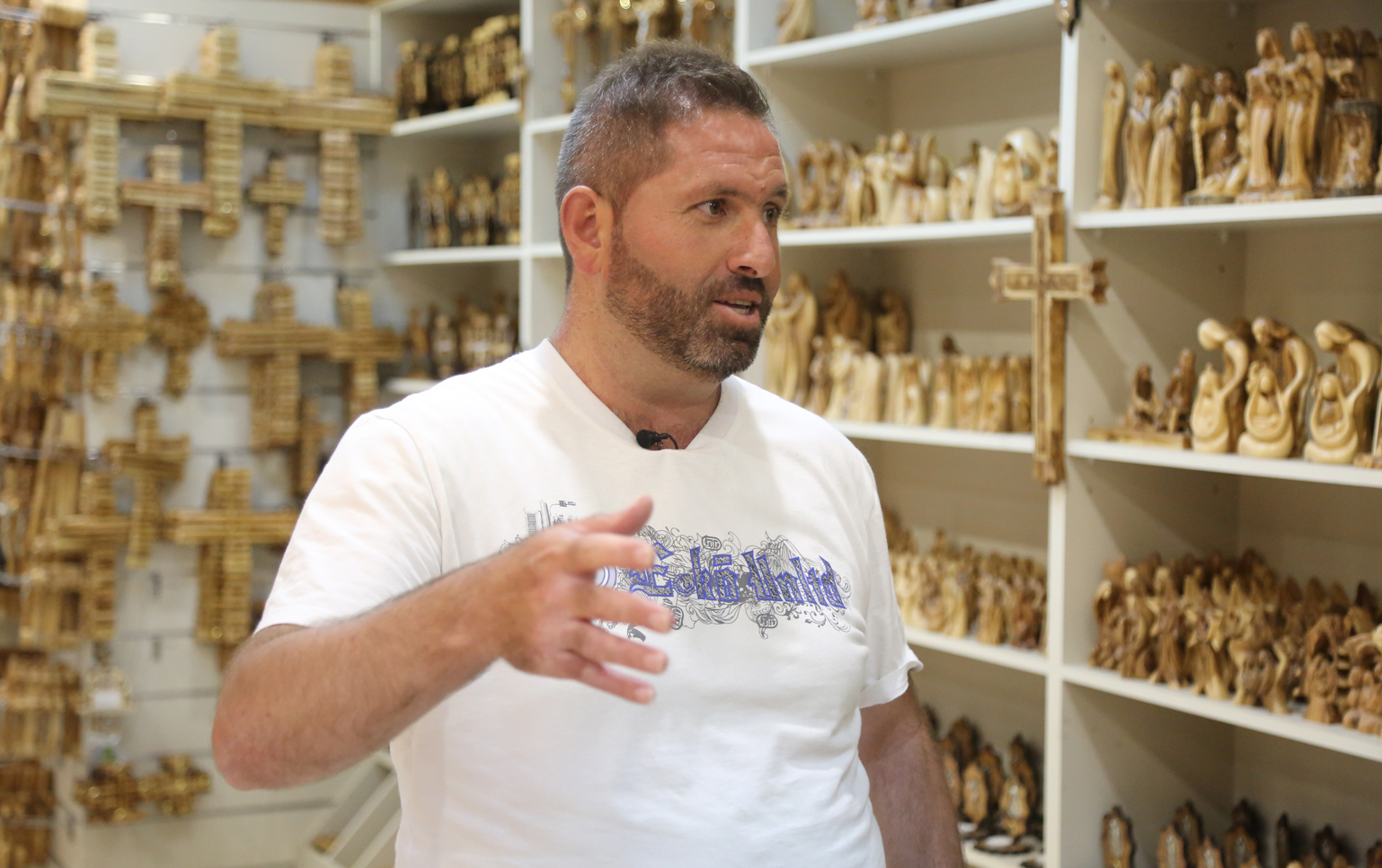
Through OPIC support, the Middle East Investment Initiative has encouraged local banks to provide loans to businesses across a range of sectors from agriculture to manufacturing to retail, collectively creating more than 17,000 jobs. Afram Kando, who operates the Rimon Kando & Sons souvenir shop in Bethlehem, is one of many small businesses that has been able to expand and hire more employees with the support of loans backed by MEII.
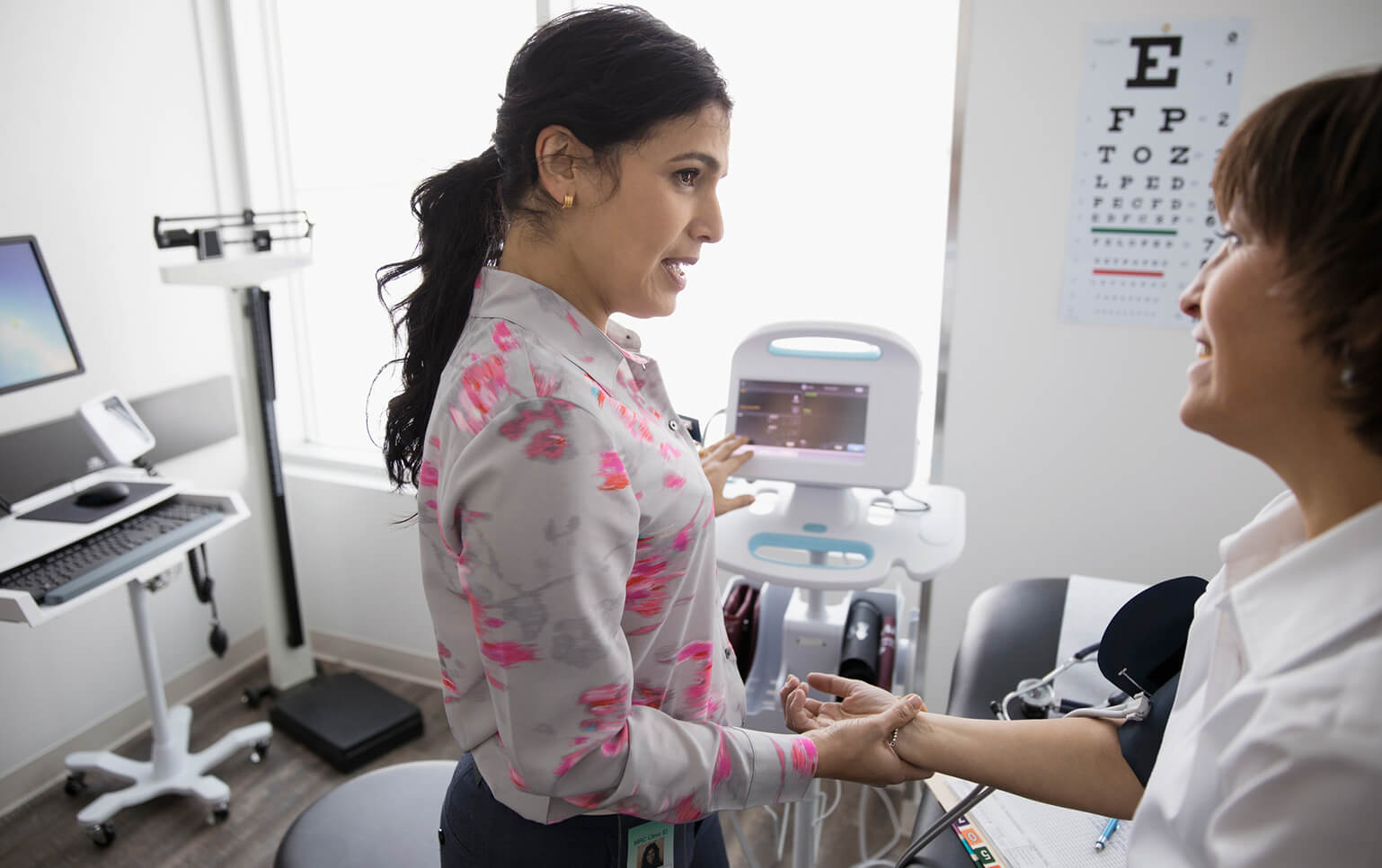
Siraj’s Investment in Webteb, an Arabic-language health and wellness website, created opportunities for women in high tech while offering great medical advice to underserved people of the region.
The resource, which can be likened to Web MD, created the opportunity for doctors to provide medical advice to men and women on a variety of health topics, including many once considered taboo.
OPIC’s investment has also played a vital role in powering up an evolving economy. Aman, a Siraj Investment, was created to secure cash transport to the region’s growing banking and retail sectors. To date, about 1.5 million Palestinians have ATM cards and about 20 businesses in the West Bank require CIT, or cash-in-transit services. The region is also attracting more international retail brands that demand high standards for cash transfer.
And in a nod to the needs of an expanding economy, Pal Gaz Services and Distribution Co., another Siraj investment, has grown significantly to provide gas to the region.
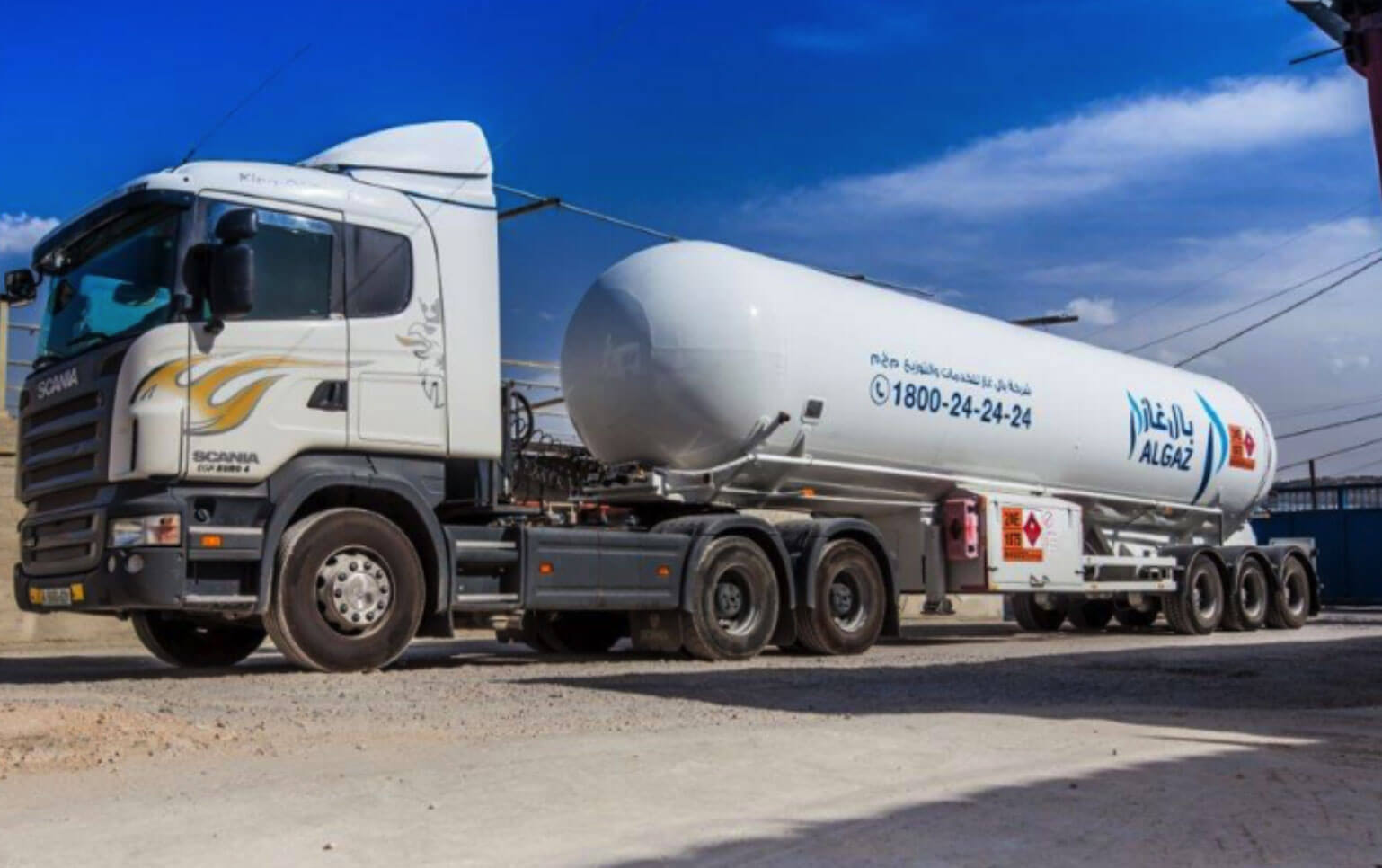
Pal Gaz supplies hospitals, universities and manufacturing plants. Most importantly it supplies Rawabi, the first planned city for Palestinians serving the region’s growing middle class.
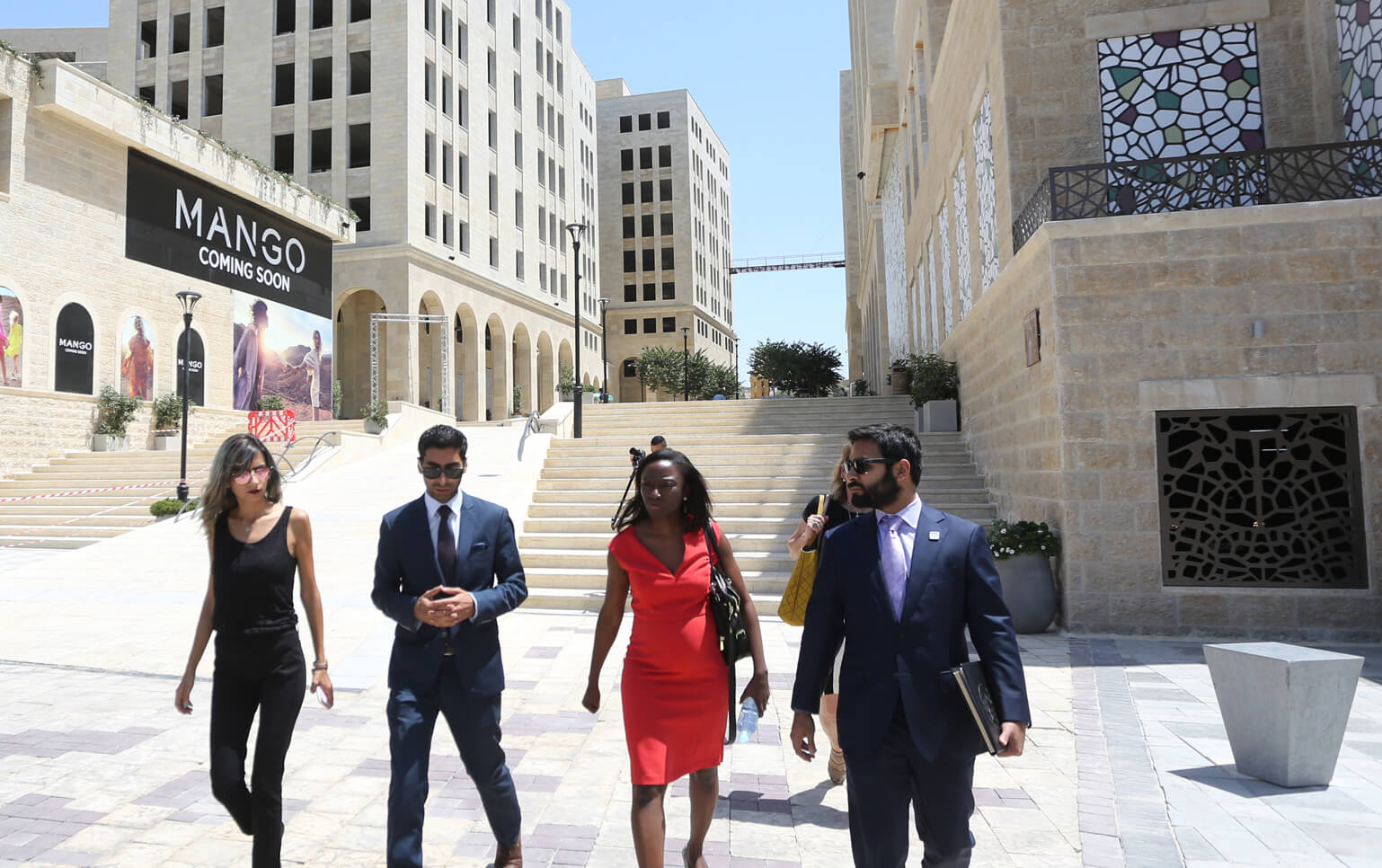
The impact of these OPIC-supported projects extends to local residents who – with better jobs and exposure to financial services – improved their lives.
This employee at an MEII-supported souvenir shop described how better pay and greater understanding of consumer banking led him to open a checking account and purchase a home.
“The West Bank is a region of great talent and potential. By helping MEII transform the banking sector here, OPIC has empowered its businesses and its people.”